

Group therapy with a PTSD therapist can be a transformative experience. It offers a supportive environment where individuals with similar experiences come together to heal. In this blog, we’ll explore the numerous benefits of participating in group therapy sessions.
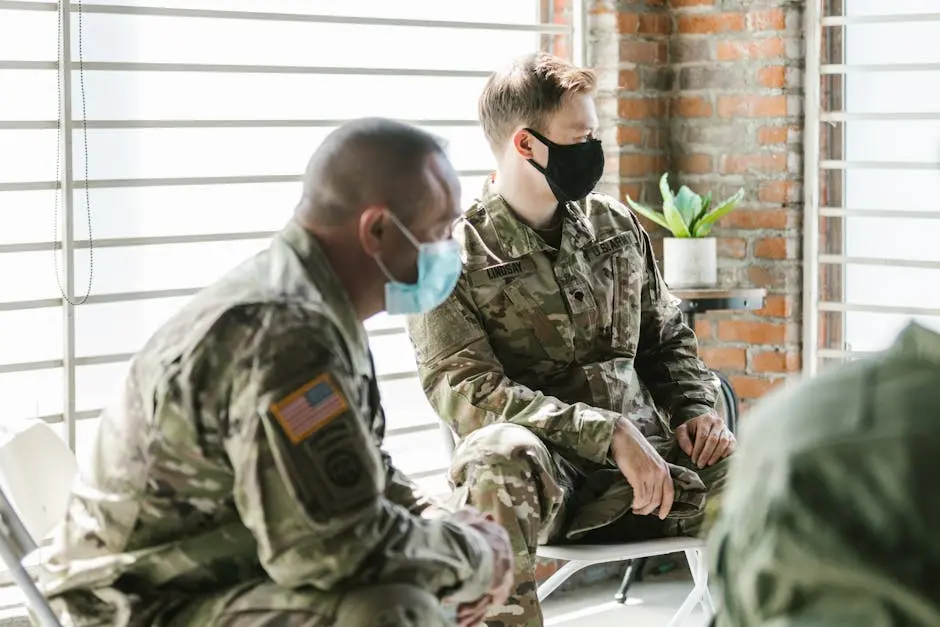
1. Fostering Connection and Understanding
In group therapy, participants find strength in shared experiences. The connection among members can lead to a deep understanding and empathy that is often difficult to find elsewhere. This shared journey creates a warm environment where people feel seen, heard, and understood. The unique dynamics of a therapy group enable participants to not only share their stories but also to absorb lessons from each other, fostering emotional intimacy. This bond is pivotal as it cultivates hope and reduces the sense of loneliness that often accompanies PTSD.
Engaging with others who share similar struggles can provide validation and a sense of belonging. This mutual recognition forms a trustworthy space where individuals feel safe to explore their emotions. Establishing such connections can also enhance one’s ability to empathize and understand varying perspectives within the group. This enriched empathic engagement within group therapy becomes a catalyst for healing, providing much-needed momentum for each individual’s recovery journey.
2. Learning from Shared Experiences
Hearing about others’ experiences can provide new perspectives and insights. It can be comforting to know that others have faced similar challenges and found ways to cope. This collective wisdom not only enhances the healing process but also empowers individuals to try new strategies to manage their PTSD symptoms. By witnessing others’ resilience, participants often find the courage to face their own challenges with renewed determination.
Sharing is both an act of giving and receiving in group therapy. When members openly discuss the hardships they’ve encountered along with the victories they’ve achieved, this tacit exchange of insights inspires hope. This cycle of sharing equips individuals with diverse coping strategies, broadening the repertoire of tools each can use in their healing. As participants weave together their stories, the group becomes a tapestry of resilience and strength.
3. Developing New Coping Strategies
Group therapy allows members to learn a variety of coping mechanisms. By sharing strategies, individuals can discover new tools that resonate with them and improve their mental health. Listening to how others have dealt with similar situations can spark ideas and prompt changes in how one approaches their own struggles. The environment encourages experimentation with different techniques, guiding participants to find what works best for them, whether it’s adopting mindfulness practices or integrating therapeutic exercises into daily life.
Moreover, having a PTSD therapist to facilitate these sessions ensures the strategies introduced are evidence-based and effectively tailored to the group’s needs. This professional input ensures that each member not only learns practical skills but also validates the therapeutic interventions. The therapist’s expertise enriches the sessions, offering structures and models like grounding techniques and cognitive restructuring to tackle the complex nature of PTSD.
4. Building a Supportive Community
A group provides a supportive community that encourages healing. The bonds formed in these sessions can be a source of comfort and help reduce feelings of isolation. When individuals feel genuinely supported, they are more likely to feel confident in their ongoing healing process. The community aspect of group therapy not only creates accountability but also a shared commitment that bolsters strength and keeps motivation high.
Forming such a network offers the benefit of a continual resource where members can turn to each other outside of scheduled sessions. This ongoing support is crucial, as it helps maintain momentum in healing while providing immediate access to advice and encouragement when facing stressful situations. The friendships that blossom within therapy groups are enduring and powerful, extending beyond the therapy context to provide tangible benefits in everyday life.
5. Enhanced Communication Skills
Group therapy encourages participants to articulate their thoughts and feelings effectively. This environment fosters improved communication skills, both within the group and beyond. Being in a supportive circle where everyone is working towards betterment gives the opportunity to practice healthy communication habits. Members learn to express themselves constructively while remaining open to feedback, an ability that transfers to personal and professional relationships alike, enhancing their overall quality of life.
6. Increased Self-Awareness
Discussing personal experiences in a group setting leads to greater self-awareness. Participants often gain insights into their own behavior and thought patterns. As members reflectively engage in the dialogue of the group, they recognize triggers and thought distortions that may contribute to their PTSD, unveiling new paths toward recovery and adaptation.
Witnessing others reflect on their journeys encourages self-exploration among group members, which can catalyze significant personal evolution. As they learn to effectively identify and articulate their feelings, participants often uncover underlying issues needing to be addressed—insights that can profoundly impact personal development and growth.
7. Building Trust and Safety
The supportive nature of a therapy group cultivates a sense of trust and safety among participants. This environment encourages individuals to open up and share their thoughts without fear of judgment. Trust is the foundation of any therapeutic encounter, and within group settings, it is essential to fostering authentic dialogue and collaboration. When individuals feel secure, they are more likely to engage openly in the therapeutic process, allowing deeper transformations.
8. Practicing Mindfulness
Many group therapy sessions incorporate mindfulness practices. Learning these techniques can help individuals manage stress and stay grounded in the present moment. Mindfulness tools such as focused breathing, meditation, and progressive muscle relaxation equip participants with practical skills to decrease anxiety and enhance mental clarity.
Regular engagement in mindfulness has been linked to numerous mental health benefits, including reduced symptoms of anxiety and depression. For individuals with PTSD, combining mindfulness with therapeutic discussions offers a balanced approach to comfort and healing. By regularly practicing these methods during group sessions, participants learn how to incorporate them into their daily routines, promoting sustained well-being.
9. Gaining Motivation and Encouragement
Witnessing others’ progress can be incredibly motivating. Encouragement from peers often inspires individuals to continue working toward their own healing. This nurturing environment elicits positive reinforcement, which can be vital in driving perseverance, even when the path seems challenging. The collective joy felt when milestones are achieved invigorates the group spirit, reinforcing each member’s dedication to their mental health journey.
10. Access to Professional Guidance
Having a PTSD therapist guide the group ensures that the sessions are conducted safely and effectively. Their expertise can greatly enhance the therapeutic process. The therapist’s role is multifaceted—they facilitate discussions, introduce evidence-based techniques, and ensure each participant receives personalized attention when needed. This professional oversight provides a structure in which members can safely explore their traumas and work collaboratively toward recovery.
11. Instilling Hope Through Recovery Stories
Hearing stories of recovery can instill hope in participants. These narratives highlight the possibility of healing and encourage perseverance through challenges. Personal accounts of overcoming adversity serve as powerful reminders that progress is possible and resilience is within reach. Witnessing others’ successes can ignite hope and inspire action, motivating individuals to embrace their own healing journeys.
12. Reducing Symptoms of PTSD
Group therapy has been shown to reduce symptoms related to PTSD. The effective coping strategies learned can lead to a reduction in anxiety, depression, and trauma-related distress. Engaging in these sessions provides an opportunity for individuals to normalize their experiences and learn from evidence-based interventions, promoting significant improvements in their mental health.
As attendees work through their issues with the guidance of a PTSD therapist, they are provided with the knowledge and techniques necessary to mitigate the debilitating effects of trauma. This process often results in an improved quality of life, as individuals discover ways to manage their symptoms effectively and sustainably.
13. Experiencing Emotional Relief Through Expression
The act of sharing one’s story and emotions in a group can lead to emotional relief. It allows individuals to release pent-up feelings in a safe space. This emotional catharsis is crucial as it provides a tangible sense of relief and liberation from unexpressed emotions. The empathy and understanding of other group members further enrich this experience, making it a vital component of the healing process.
14. Creating Lasting Relationships
The connections formed in group therapy often extend beyond the sessions. These lasting relationships provide ongoing support and camaraderie on the path to healing. As trust builds over time, these friendships become touchstones for reassurance, offering a reminder that no one is alone in their journey. Such bonds fortify resilience and foster a supportive network one can rely on through the various stages of recovery.
15. Reinforcing Personal Growth
The journey through group therapy emphasizes personal growth. Participants consistently build on their progress, moving toward a more resilient and fulfilling life. Each session strengthens one’s ability to face future challenges with confidence and adaptability. As contributors share in the transformative power of collective experiences, they develop an enriched understanding of personal strength, inspiring continuous growth and progress beyond the therapy room.
