

Taking care of your mental health is incredibly important, especially when you’re spending a lot of time at home. Even if you’re not able to get out and about, there are plenty of enjoyable and effective ways to boost your well-being. Here are some activities you can easily do from the comfort of your own home to help support a healthy mind.
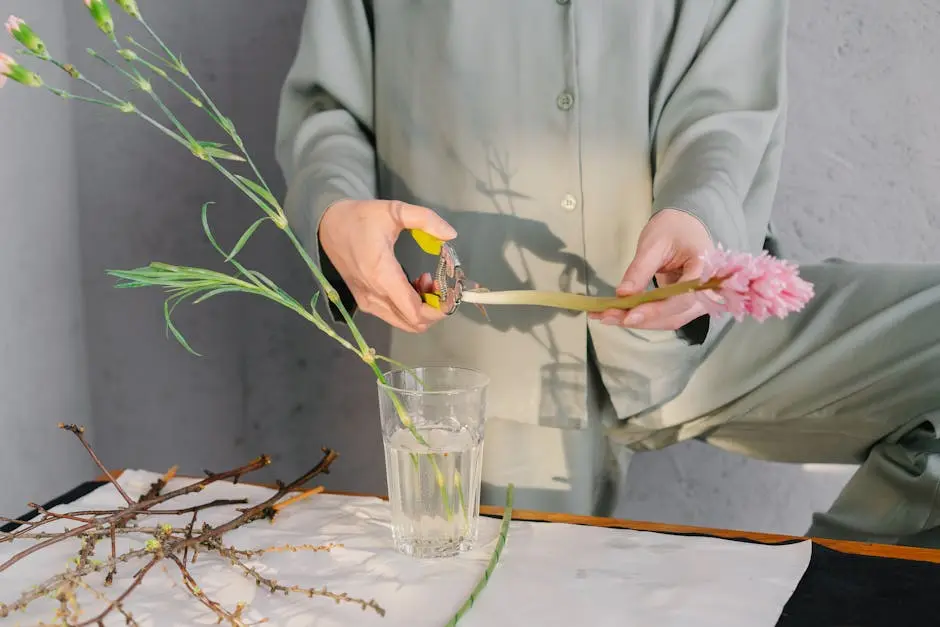
1. Soothing Solitude with Meditation
Meditation is a powerful tool for calming the mind. Spend a few minutes each day in silence, focusing on your breath, to help reduce stress and increase mindfulness. Finding a quiet corner in your home to meditate can create a small sanctuary away from daily distractions. As research suggests, even short daily meditation sessions can reduce anxiety and improve your emotional health. There are numerous apps and online resources that guide beginners through meditation practices, making it accessible for everyone.
Incorporating meditation into your routine can be transformative. Consider setting a specific time each morning or evening to meditate, creating a sense of ritual. If you have children or other household members around, involve them. Guided meditation videos or audio clips can provide structure and keep you focused. The key is consistency, which can lead to significant mental clarity and emotional stability over time.
2. Creative Journaling for Clarity
Writing down your thoughts can be therapeutic. Whether through structured prompts or free-writing, journaling can help you process emotions and gain insight. Keeping a gratitude journal, for instance, can help shift focus from negative thoughts to positive ones, improving your overall outlook. Moreover, revisiting past journal entries can offer perspective and highlight personal growth.
To get started with journaling, all you need is a notebook and a pen. Settle into a comfortable spot in your home, maybe paired with a cup of tea, and let your thoughts flow. This act of putting pen to paper itself can be a meditative practice. As you write, don’t worry about grammar or structure—let your emotions guide your expression. Over time, you may find that journaling helps you organize your thoughts and uncover patterns in your thinking.
3. Culinary Therapy through Cooking
Try cooking a new recipe or baking something delicious. The act of preparing food can be meditative and satisfying, offering a sense of accomplishment. Exploring new cuisines can also broaden your horizons and introduce new flavors into your daily meals. Cooking requires focus and attention to detail, which can serve as a welcome distraction from stressful thoughts.
Consider cooking meals from scratch as a form of therapeutic activity. It involves creativity and provides a tangible goal with a delicious reward. Invite your family to join you in the kitchen, making it a fun group activity. Cooking together not only strengthens family bonds but also enhances communication. Plus, you learn new skills in the process—each dish prepared adds to your culinary repertoire.
4. Embrace Nature Indoors with Plants
Introduce houseplants into your home to create a calming environment. Taking care of plants can ground you and connect you to nature. Houseplants are not only aesthetically pleasing, but they can also improve air quality, which boosts mood and concentration. If you’re new to plant care, start with easy-to-maintain varieties like succulents or peace lilies.
Creating an indoor garden offers more than just visual appeal. The act of nurturing plants can be a mindful practice in its own right. As you water and care for your plants, you become more attuned to their needs, developing a more profound connection with the natural world. Besides, observing the growth nature undergoes can be metaphorically linked to personal development, reminding us of the patience and care needed to thrive.
5. Tune into Joy with Music
Listening to your favorite music can boost your mood. Create playlists for different emotions or dance away your stress with upbeat tunes. Music has an incredible ability to evoke emotions and memories, making it a powerful tool for mental well-being. Consider starting your day with energizing music that sets a positive tone or ending the day with calming songs to help you unwind.
Diving into music can also mean exploring new genres and artists, expanding your musical palette. It’s an excellent way to stimulate your brain and open doors to diverse cultures and histories. You might also consider learning to play an instrument as another layer of engaging with music. Whether it’s strumming a guitar or playing piano, making music can be immensely rewarding and mentally enriching.
6. Relaxation through Reading
Get lost in a good book. Reading can be a great escape, providing comfort and distraction from everyday stressors. Try setting aside time each day to read, whether it’s fiction, non-fiction, or a fascinating biography. Reading not only entertains but also enhances empathy by allowing you to experience the world from different perspectives.
Consider joining online book clubs or discussion groups to extend the experience beyond the solitary act of reading. Sharing insights with others can deepen your understanding and appreciation of literature. Additionally, reading out loud to others, particularly children, can create a shared experience and foster stronger relationships.
7. Mindful Art and Crafts
Engaging in art projects can be profoundly calming. Whether it’s painting, knitting, or drawing, creative endeavors help express emotions and reduce stress. You don’t need to be an expert to enjoy art—simply allow your creativity to flow. These activities can enhance fine motor skills and provide an alternate means of expressing thoughts and emotions.
Art projects can be incredibly fulfilling, as you transform raw materials into something beautiful. If you’re not sure where to start, consider digital platforms that offer tutorials and workshops on various crafts. These resources provide guidance and inspiration, helping you explore your artistic side in a structured way. Crafting is not just a solitary pursuit; engage with online communities that share a passion for similar arts.
8. Gentle Exercise for Endorphins
Incorporate gentle forms of exercise such as yoga or stretching. Physical movement releases endorphins, which are natural stress relievers. You don’t need a home gym to stay active; a simple mat and space are often enough. Yoga, in particular, combines physical postures with breathing exercises, enhancing both physical and mental well-being.
Working out does not have to be intense to be effective. Short, consistent sessions of exercise can lead to improved mood and reduced anxiety levels. Plus, aerobic activities can be done anywhere, from your living room to your backyard. Embrace other forms of movement, such as tai chi or pilates, which also focus on gentle motion and deliberate breathing.
9. Gratitude Practice to Shift Perspective
Cultivating gratitude can significantly boost your mental outlook. Take time each day to acknowledge the things you are grateful for, big or small. Keeping a gratitude journal where you jot down three things you’re thankful for can shift focus away from negatives. This simple practice can help develop a positive mindset and enhance overall life satisfaction.
Consider sharing your gratitude with others—expressing thankfulness can nurture both personal and social bonds. Create a gratitude jar in your home where family members can contribute notes about what they’re thankful for. Reviewing these together can strengthen familial relationships and bring about a collective sense of appreciation.
10. Digital Detox from Social Media
Limit your time on social media to avoid feelings of comparison and overwhelm. Digital breaks can improve focus and well-being. In today’s hyper-connected world, it’s crucial to recognize when to disconnect. Establish specific times to check apps and put your phone away during meals or family gatherings to foster real-world interactions.
Taking a digital detox does not mean disconnecting entirely but involves mindful usage and setting boundaries. Assess which platforms contribute positively to your life and which may induce stress or anxiety. Reflect on the quality of the content you consume and consider replacing screen time with activities like reading or crafting, which offer tangible benefits.
