

In today’s fast-paced world, finding inner peace can be an elusive quest. However, with the right techniques, you can nurture a calmer mind and a more peaceful existence. In this blog, we’ll explore fifteen effective strategies for achieving inner peace through therapy-based methods that are both simple and transformative.
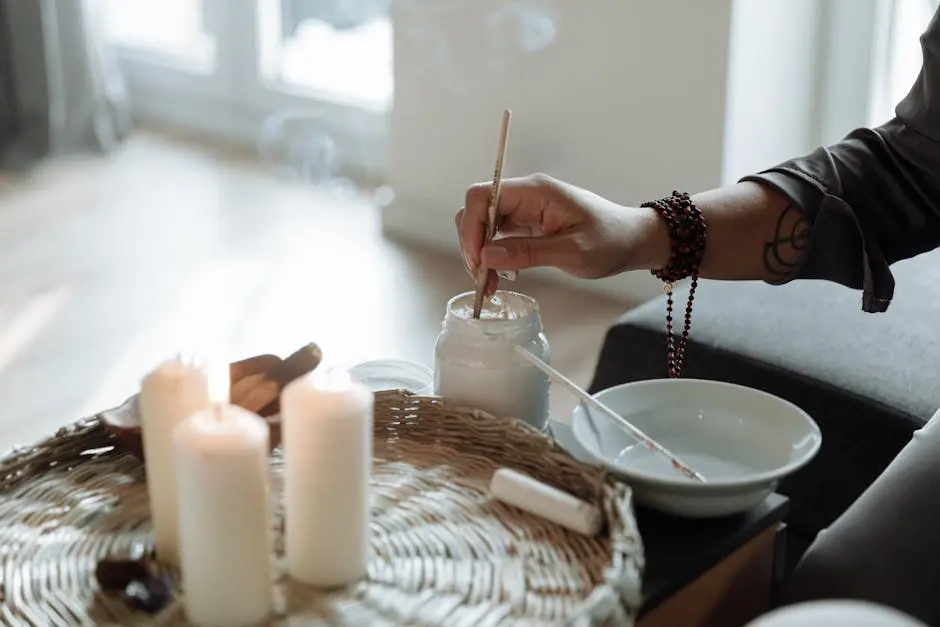
1. Mindful Breathing for Tranquility
Mindful breathing is a powerful tool that can instantly bring calm to your mind and body. Focus on each breath as it enters and leaves your body, helping you stay anchored in the present moment.
To practice mindful breathing, find a quiet spot where you can sit or lie comfortably. Close your eyes and take a deep breath in through your nose, filling your lungs with air. Hold this breath for a few seconds before exhaling slowly through your mouth. Pay attention to the rhythm of your breath, and if your mind starts to wander, gently bring your focus back. This simple technique not only reduces stress but also enhances self-awareness, making it a cornerstone of inner peace therapy.
2. Guided Meditation Practices
Using guided meditations can help you discover peace by walking you through calming visualizations and prompts. Scrupulously designed sessions can encourage a deep state of relaxation.
Guided meditations are often available in various apps and online platforms, offering a wide range of themes from relaxation to focus enhancement. By following audio or video guidance, individuals are often better able to quiet their minds and release tension. The soft, instructive voice leads you through the process, making it easier to disengage from habitual worrying. Incorporating this practice into your routine helps in achieving a balanced state of mind, preparing you to face the day with a renewed sense of calm and purpose.
3. Journaling for Self-Reflection
Writing in a journal is a therapeutic outlet for expressing thoughts and emotions. By regularly putting pen to paper, you can gain new insights and reduce mental clutter.
Make journaling a daily habit by setting aside a few minutes each day to write about your thoughts, experiences, or feelings. This practice not only serves as a form of emotional release but also helps in identifying patterns in your thoughts and behaviors. Over time, journaling can become a tool for personal growth, allowing you to track progress and set meaningful goals toward achieving inner peace. Reflective writing fosters self-awareness, making it easier to understand your emotional landscape and respond to life’s challenges with better resilience.
4. The Power of Positive Affirmations
Recite positive affirmations to influence your subconscious mind positively. This daily practice can gradually foster a more peaceful and self-assured mindset.
To integrate positive affirmations into your routine, start by identifying areas of your life where you seek improvement. Craft statements that reflect these aspirations positively. For example, ‘I am at peace with my life’s journey’ or ‘I trust myself to make the best decisions.’ Reciting these affirmations each morning can set a positive tone for your day, reinforcing a mindset of confidence and serenity. Over time, these statements can reshape your mental outlook, paving the way for inner tranquility and strengthened self-esteem.
5. Yoga’s Role in Inner Peace
Yoga combines physical postures with mindful breathing to enhance both physical and mental well-being. It helps in releasing tension and promotes a serene state of mind.
Engaging in regular yoga practice allows you to cultivate a balance of strength and relaxation. By focusing on your breath while moving through poses, you can release stored tension and create harmony between the mind and body. This interconnectedness not only enhances mental clarity but also fosters emotional resilience. Whether you are practicing at home or attending group classes, yoga’s holistic approach can form a vital component of your journey toward inner peace, creating a sanctuary within yourself where stress is managed with grace and patience.
6. Creative Visualization Techniques
Visualization allows you to mentally project yourself into peaceful and fulfilling scenarios. This technique can inspire a sense of calm and envision a happier reality.
Begin your visualization practice by choosing a quiet place free from distractions. Close your eyes and picture a serene setting—perhaps a beach, forest, or peaceful room. Imagine every detail, from the sounds to the scents. Try to experience this scene as if you are physically present. Visualization taps into the power of the mind to alter mood and reduce stress. By frequently immersing yourself in these mental landscapes, you enhance your ability to control emotions and visualize positive outcomes, fostering an enduring peace within.
7. Sound Therapy for Relaxation
Listening to calming sounds or music can create a peaceful environment that soothes stress and promotes relaxation. Sound therapy is highly effective in balancing emotions.
If you’re new to sound therapy, start by incorporating it into your routine during relaxation times. Play gentle music, or nature sounds like raindrops or ocean waves as a backdrop while you meditate or before sleep. These auditory stimuli can shift brainwave patterns and induce states of relaxation similar to those achieved in meditative practices. Utilizing sound therapy to address emotional imbalances contributes significantly to mental health by harmonizing cognitive processes and evoking a mood of tranquility, making it an accessible method for anyone seeking inner peace.
8. Nature’s Healing Influence
Spending time in nature is an invaluable way to restore peace and tranquility. The natural world has a profound calming effect and enables a deeper connection with yourself.
Embedding yourself in nature, whether by taking a leisurely walk in a park or hiking in the mountains, offers a direct path to emotional relief. Nature’s rhythmic cycles and the unchanging beauty can ease anxiety and bring about a profound sense of calm. The simple act of being outdoors can rejuvenate the soul and provide clarity and vitality that are often diminished in hectic environments. As you integrate nature into your lifestyle, notice how the sights and sounds of the wild foster greater mindfulness and help cultivate deeper inner peace.
9. Practicing Gratitude for Peaceful Living
Adopting a gratitude practice helps shift focus to the positive aspects of life, fostering a content and peaceful mindset. Acknowledging daily blessings can bring immeasurable joy.
Begin your gratitude practice by dedicating a few moments each day to reflect on things you’re thankful for. Whether it’s a person, experience, or simple pleasure, write these down in a journal or share them with loved ones. This approach to grateful living redirects the mind from negative biases, allowing a more optimistic and peaceful outlook on life. By understanding and appreciating life’s abundant gifts, you not only improve mental well-being but also develop resilience in the face of adversity, reinforcing a more stable, inner peace.
10. Progressive Muscle Relaxation
By alternately tensing and relaxing muscles, you can relieve physical tension and enhance bodily awareness. This gentle practice is perfect for stress management and tranquility.
To engage in progressive muscle relaxation, find a comfortable position and take a few deep breaths to center yourself. Systematically tense each muscle group from your toes to your head, holding the tension briefly before releasing it. This cycle is repeated to engage all major muscle areas, prompting them to relax completely. This technique emphasizes the connection between physical and mental states, helping you learn to recognize and control sources of tension, ultimately fostering a peaceful state of mind that aids in stress management and emotional healing.
11. Art Therapy’s Calming Effects
Expressing yourself through art can be deeply cathartic. Art therapy facilitates emotional release and fosters a space of inner quiet and self-exploration.
Whether you prefer drawing, painting, or sculpting, engaging in creative activities releases stress and nurtures personal expression. Art therapy does not require you be an accomplished artist—it’s the process of creation that soothes the mind. Spending time in creative exploration allows for processing emotions non-verbally, leading to greater self-awareness and insight. By releasing inner turmoil onto a blank canvas, individuals achieve mental clarity and tranquility, using creativity as a therapeutic tool for emotional and spiritual peace.
12. Aromatherapy for a Peaceful Mind
Scent blends and essential oils can influence moods and promote relaxation. Aromatherapy provides a sensory experience that aids in achieving a tranquil state.
Incorporate essential oils such as lavender, chamomile, or bergamot into your daily routine through diffusers or topical application. These scents can trigger powerful emotional responses due to their direct route through the olfactory system to the brain’s limbic system, an area involved in emotions. A mindful approach to aromatherapy enhances emotional stability and soothes anxiety, providing a fragrant pathway to mental calmness. The consistent use of soothing scents can revitalize your overall sense of wellness, forming a staple in your toolkit for creating a peaceful environment.
13. The Role of Mindful Walking
Mindful walking incorporates meditative thinking with movement. It encourages you to be present, and fully engage with your surroundings, facilitating a peaceful mindset.
To practice mindful walking, choose a path with few distractions and focus attentively on each step you take. Observe the sensations of your feet meeting the ground, the rhythm of your breathing, and the sounds around you. This practice turns an ordinary walk into a meditative experience, grounding you in the present moment. Such sensory engagement can help dissipate mental chatter and reduce stress, making mindful walking a versatile tool for the pursuit of inner calm and a rejuvenating practice you can incorporate into daily life.
14. Setting Boundaries for Inner Calm
Establishing personal boundaries is essential for protecting your mental space. By defining limits, you create a sanctuary that nurtures internal peace.
Begin by identifying activities, behaviors, or demands that drain your energy. Communicate your boundaries clearly and assertively to family, friends, and colleagues. Learning to say ‘no’ to certain requests or commitments can be transformative, allowing you to prioritize self-care. Boundaries are not about isolation but about balancing social obligations with personal needs. This empowerment fortifies mental well-being, ensuring you maintain the energy and focus needed to pursue a fulfilling and peaceful life.
15. Embracing Minimalism for Clarity
Incorporating minimalism can simplify your life, reduce distractions, and enhance clarity. By embracing minimalism, you invite more peace into your living spaces and mind.
Start by decluttering your physical environment, focusing on items that truly add value to your life. The less clutter in your space, the more clarity your mind will reflect. By owning fewer possessions, you not only experience less stress but also lead a life more focused on meaningful connections and experiences. Minimalism encourages intentionality, leading to thoughtful consumption and greater self-awareness. By removing external and internal excess, you create a harmonious and serene living environment that supports a peaceful and focused mindset.
